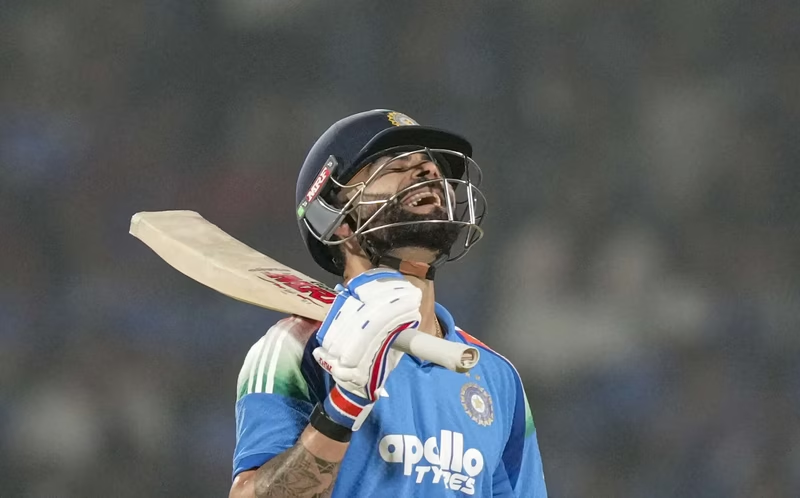
Cricket isn’t just a game of boundaries and wickets—it’s a theater of emotions. And sometimes, the loudest applause can sting more than silence.
After scoring a match-winning 93 in India’s tense chase against New Zealand, Virat Kohli could have basked in the adulation. Instead, he used the post-match spotlight to address something that’s clearly been weighing on him: the unsettling sound of fans cheering wildly the moment he walks out to bat—right after a teammate has just been dismissed.
“It’s not a great feeling,” Kohli said frankly during the post-match press conference. “When someone gets out and you’re walking in, that person is obviously disappointed. For the crowd to erupt like it’s a celebration… it doesn’t sit right with me.”
Table of Contents
- Why Virat Kohli Spoke Out
- The Fan Phenomenon: The “Kohli Effect”
- Sportsmanship vs. Celebrity in Modern Cricket
- What Other Players Have Said About Fan Behavior
- How Fans Can Show Support Without Hurting Feelings
- Kohli’s Balance: Gratitude and Empathy
- Conclusion: A Call for Kinder Cricket Culture
- Sources
Why Virat Kohli Spoke Out
This isn’t the first time Kohli has addressed fan behavior, but it’s perhaps his most direct. His comments come amid growing concerns about the emotional toll on players—especially younger or less-established batters—who walk back to a silent dressing room while the stands explode for the next star.
Kohli emphasized that while he deeply appreciates fan love, timing matters. “I’m incredibly grateful for the support,” he clarified. “But maybe hold that cheer for when I hit my first boundary—not the second I step out after someone’s failed.”
His stance reflects a deeper understanding of team dynamics. Cricket is a collective effort, and public celebration of one player’s entry can unintentionally amplify another’s failure—a moment already heavy with personal disappointment.
The Fan Phenomenon: The “Kohli Effect”
Let’s be honest: when Virat Kohli walks in, the energy shifts. Stadiums light up. Phones come out. Chants begin. It’s a cultural event, not just a batting change. This “Kohli Effect” is real—and it’s fueled by his legacy as one of the greatest chasers in cricket history.
But this adoration has a shadow side. In high-stakes games like the recent India vs New Zealand clash, the pressure on every batter is immense. When Rohit Sharma or Shubman Gill falls early, the immediate roar for Kohli can feel like a public verdict: “You failed. Now the real hero is here.”
The Psychology of the Dismissal Walk
Walking back to the pavilion is one of the loneliest moments in sport. Players describe it as a mix of shame, frustration, and self-doubt—even if they’ve played well. Adding a thunderous cheer for their replacement can deepen that emotional wound, especially for emerging players still building confidence .
Sportsmanship vs. Celebrity in Modern Cricket
Modern cricket straddles two worlds: the traditional ethos of fair play and the entertainment-driven spectacle of T20 leagues and global fandom. While fans see Kohli as a superstar, teammates see him as a partner in a shared mission.
As former captain Anil Kumble once noted, “Cricket’s beauty lies in its balance between individual brilliance and team sacrifice.” Kohli’s remarks are a gentle reminder that even icons value unity over idolatry.
What Other Players Have Said About Fan Behavior
Kohli isn’t alone in this sentiment:
- Joe Root (England): Has asked fans to “respect the opposition” during overseas tours.
- Meg Lanning (Australia): Called for “positive support” that doesn’t cross into hostility.
- Rahul Dravid: Often praised crowds that “applaud good cricket, regardless of the jersey.”
Even legends like Sachin Tendulkar have spoken about the importance of respectful fan engagement—especially in an era where social media amplifies both praise and abuse.
How Fans Can Show Support Without Hurting Feelings
Supporting your favorite player doesn’t mean undermining others. Here’s how fans can strike a better balance:
- Wait for the first run or boundary before erupting in cheers.
- Applaud good shots from all batters—even opponents.
- Avoid booing or jeering at dismissed players.
- Remember: every player is human—they feel joy, pressure, and disappointment just like you.
As the ICC’s Spirit of Cricket guidelines state, “Respect is central to the game”—and that includes how spectators behave.
Kohli’s Balance: Gratitude and Empathy
Despite his discomfort, Kohli was quick to express gratitude. “I know the fans mean well,” he said. “Their energy pushes me. But maybe we can channel it in a way that lifts the whole team—not just one person.”
That nuance—acknowledging love while advocating for empathy—is classic Kohli: fiercely passionate, yet deeply human. It’s also a leadership trait that transcends cricket.
Conclusion: A Call for Kinder Cricket Culture
Virat Kohli’s message isn’t a rebuke—it’s an invitation. An invitation to fans to be part of a more compassionate cricket culture, where support doesn’t come at the cost of someone else’s dignity. In a world where sports are increasingly polarized, his words are a quiet but powerful call for unity, respect, and emotional intelligence. After all, the true spirit of cricket isn’t just in the runs scored—but in how we treat each other when the wickets fall.
Sources
- Times of India: ‘It’s not a great feeling’: Virat Kohli speaks out on crowd cheers after teammate’s wicket
- ESPNcricinfo: Player interviews on fan culture and mental health in cricket
- International Cricket Council (ICC): Spirit of Cricket – Official Guidelines
- The Hindu: “The Emotional Toll of Failure in Professional Sport” (2025)