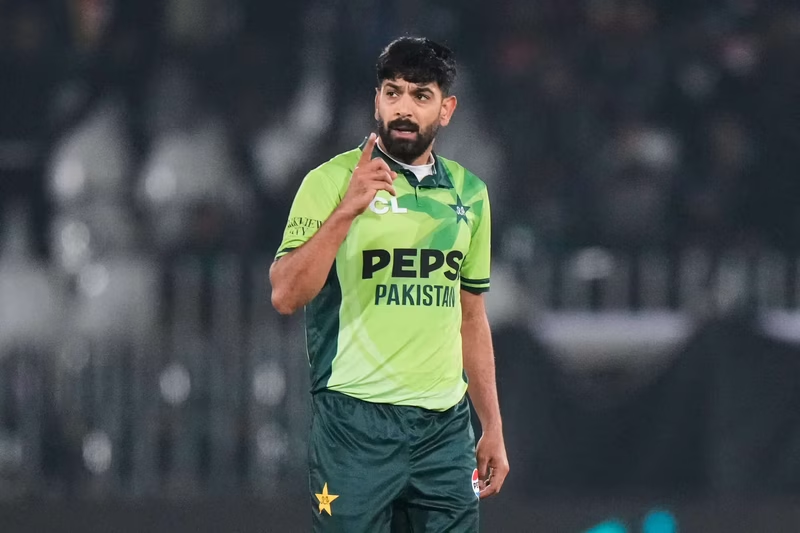
Haris Rauf: ‘We’re Not Robots,’ Pleads for Fan Empathy
In the high-octane world of India-Pakistan cricket, the margin for error is razor-thin. For Pakistan pacer Haris Rauf, a single off-day can spiral into a national crisis. Fresh off a match-winning performance, Rauf chose to address the elephant in the room: the relentless Haris Rauf criticism he’s faced following a poor outing against India and a controversial Asia Cup snub. His message was simple, human, and powerful: “We’re expected to perform like robots” .
This emotional plea isn’t just about one player’s frustration; it’s a window into the unique, often suffocating pressure cooker that is Pakistan cricket. Let’s unpack Rauf’s statement, the context behind it, and what it reveals about the fan-player dynamic in the subcontinent.
Table of Contents
- The “Robot” Comment: What Sparked It?
- The Asia Cup Ban and Its Fallout
- The Unique, Unforgiving Pressure on Pakistani Cricketers
- Rauf’s Resilience and His Test Cricket Dream
- Why Empathy Matters More Than Ever in Cricket
- Conclusion: Beyond the Boundary of Blame
- Sources
The “Robot” Comment: What Sparked It?
Rauf’s now-viral quote, “We’re expected to perform like robots,” came during an emotional interview where he defended his recent form . The comment was a direct response to the intense social media vitriol and public criticism he received after a disappointing performance in a high-stakes match against arch-rivals India.
In that game, his usual express pace and lethal yorkers were replaced by expensive, wayward lines. For a player of his caliber, it was an uncharacteristic failure. But in the eyes of a large, unforgiving section of the Pakistani fanbase, it was an unforgivable sin. Rauf’s core argument is that athletes are human. They have bad days, they get nervous, and they can have their off spells. To expect machine-like perfection from them is not only unrealistic but deeply unfair.
The Asia Cup Ban and Its Fallout
The criticism wasn’t just limited to his on-field performance. Rauf was also reportedly banned from the Asia Cup squad for a period, a decision that added professional insult to personal injury . While the official reasons for the ban haven’t been fully disclosed, it’s widely speculated to be connected to fitness or disciplinary issues.
This ban, coming on the heels of the India failure, created a perfect storm of negative publicity for the pacer. It felt to many observers as if he was being punished twice—once by the selectors and again by the court of public opinion. His recent match-winning spell, which likely prompted this interview, seems to be his way of reclaiming his narrative and proving his worth.
The Unique, Unforgiving Pressure on Pakistani Cricketers
What makes the Haris Rauf criticism so intense is the unique ecosystem of Pakistani cricket. Unlike in many other cricketing nations, where player tenures can be more secure, Pakistani cricketers often operate on a knife’s edge. The fan expectations are sky-high, the media scrutiny is relentless, and the consequences for failure can be immediate and severe.
This environment, while it can produce moments of incredible passion and brilliance, can also be mentally taxing. Players like Rauf are not just representing a team; they are carrying the hopes of a nation that sees cricket as a primary source of pride and unity. This immense weight can sometimes lead to the very mistakes fans are so quick to condemn. For a deeper look into the psychological aspects of elite sports performance, the American Psychological Association offers valuable resources on managing pressure and performance anxiety.
Rauf’s Resilience and His Test Cricket Dream
Despite the torrent of negativity, Rauf’s recent performance shows remarkable resilience. He’s not letting the criticism define him. In the same emotional interview, he also expressed a clear and ambitious goal: his readiness and desire to play Test cricket .
This ambition is significant. Test cricket is the ultimate test of a fast bowler’s skill, patience, and stamina. For a bowler often pigeonholed as a white-ball specialist, this declaration signals a desire for a more complete and legacy-defining career. It shows that his focus is on growth and contribution, not on the noise from the stands or the screens.
Why Empathy Matters More Than Ever in Cricket
Rauf’s plea for understanding is a timely reminder for all cricket fans, not just those from Pakistan. The rise of social media has democratized opinion but also amplified cruelty. The line between passionate support and toxic abuse has become dangerously thin.
Supporting a team should mean standing by its players through their highs and lows. Here’s why a little empathy goes a long way:
- Human Performance is Variable: Even the greatest athletes have off days. Consistency is the goal, not perfection.
- Mental Health is Crucial: Constant criticism can severely impact a player’s confidence and mental well-being, potentially leading to more on-field errors.
- It Builds a Healthier Sport: A supportive environment fosters long-term player development and a more positive fan culture.
Conclusion: Beyond the Boundary of Blame
Haris Rauf’s emotional outburst is more than just a defense; it’s a call for a cultural shift in how we consume and engage with the sport. His statement on the Haris Rauf criticism highlights a fundamental truth: cricketers are human beings first, athletes second. They bleed, they sweat, and yes, they fail. His journey—from being banned to delivering a match-winning spell while asking for a little grace in between—is a powerful story of resilience. As fans, the best way to honor their efforts is not with blind rage, but with the same unwavering support we expect from them on the field.
Sources
- Times of India: ‘Expected to perform like robots’: Haris Rauf opens up on criticism, failure vs India
- American Psychological Association: Sport and Exercise Psychology