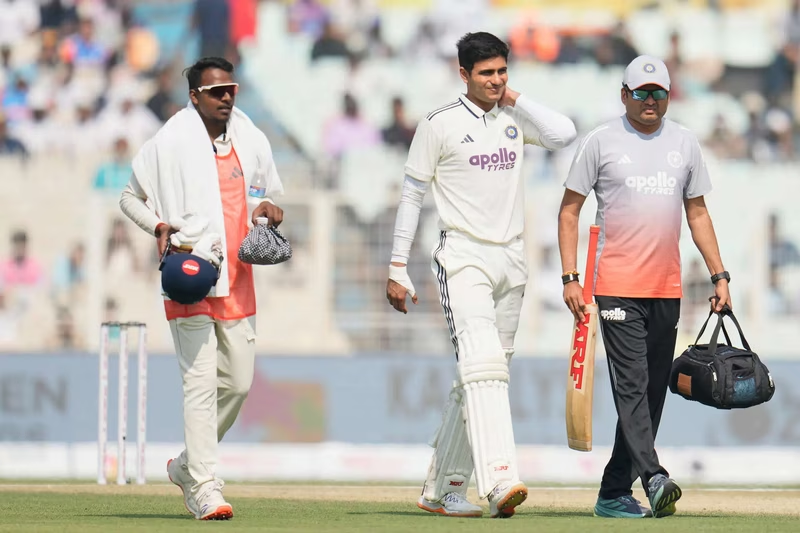
Shubman Gill Neck Injury: Captain’s Sudden Exit Sparks Alarm at Eden Gardens
In a moment that sent shockwaves through Eden Gardens, India’s Test captain Shubman Gill was forced to retire hurt during the second innings of the second Test against South Africa. The 25-year-old experienced acute neck stiffness while batting, prompting immediate medical attention. Though he walked off the field under his own power, the BCCI has since taken precautionary measures, including hospital scans, to rule out any serious underlying issue. This Shubman Gill neck injury is especially concerning given his own past warnings about the physical toll of playing non-stop cricket across all three formats.
Table of Contents
- What Happened on the Field?
- Possible Causes: From Bad Sleep to Hidden Strain
- Gill’s Own Warnings About Workload
- BCCI’s Precautionary Response and Next Steps
- Impact on Team India and Captaincy
- Sources
What Happened on the Field?
The incident occurred during India’s second innings. Gill, who had looked solid at the crease, suddenly stopped mid-over, clutching the left side of his neck. He appeared to be in visible discomfort, unable to rotate his head or assume a proper batting stance. After a brief consultation with the team physio, he signaled to the umpires that he could not continue and retired hurt—ending his innings prematurely .
He was later taken to a nearby hospital for detailed imaging, including an MRI, to assess the cervical spine for any disc involvement, nerve compression, or muscle tear. As of now, the BCCI has described the issue as “neck stiffness” but is treating it with extreme caution.
Possible Causes: From Bad Sleep to Hidden Strain
While the exact cause remains under medical review, experts suggest a few plausible scenarios:
- Sleep-related strain: A poor sleeping posture or “wry neck” (acute torticollis) can cause sudden, severe stiffness.
- Repetitive stress: Constant helmet-wearing, batting stance, and travel can strain neck muscles over time.
- Undiagnosed issue: A pre-existing cervical spine condition aggravated by physical exertion.
Neck injuries in cricket are rare but not unheard of. Former England batter Kevin Pietersen once missed a Test due to a similar issue. The concern isn’t just the pain—it’s the potential for recurring problems if not managed properly.
Gill’s Own Warnings About Workload
This incident is particularly alarming because Gill himself has openly discussed the challenges of his schedule. Earlier this year, he revealed he was “exhausted” from playing back-to-back white-ball series followed by Test matches . He even hinted at the need for strategic rest to preserve his long-term career.
Since being named full-time Test captain in 2024, Gill’s workload has only increased. He’s led India in ODIs, T20Is, and now the World Test Championship cycle—all while being a marquee player for Gujarat Titans in the IPL. Cricket analysts have long warned that India’s “workhorse” culture risks burning out its young stars, and Gill’s Shubman Gill neck injury may be a painful validation of that fear.
BCCI’s Precautionary Response and Next Steps
The BCCI, often criticized for overplaying its stars, appears to be taking this seriously. They’ve mandated complete rest for Gill until scan results are clear and have ruled him out of the remainder of the Test match. Ravindra Jadeja has taken over as stand-in captain—a role he’s already executing with authority.
The board is expected to convene its medical panel within 48 hours to determine a recovery timeline. If the issue is muscular, Gill could return in 3–5 days. But if there’s structural involvement, a longer break may be enforced—potentially affecting India’s upcoming tours. For more on athlete recovery protocols, refer to the Mayo Clinic’s guidelines on neck pain.
Impact on Team India and Captaincy
Gill’s absence is a massive blow. As captain and a top-order batter, his calm presence and technical fluency anchor the Indian innings—especially on tricky pitches like Eden Gardens. His leadership style, though still evolving, has been praised for its quiet confidence.
His sudden exit not only weakens the batting lineup but also forces Jadeja into a dual role as chief spinner and tactical leader under pressure. While Jadeja is more than capable, the disruption in captaincy continuity at a crucial juncture in the WTC cycle is a serious concern. Fans and selectors will now watch closely to see if this injury prompts a broader rethink of how India manages its captain’s workload.
For a deeper look at India’s captaincy challenges, explore our [INTERNAL_LINK:india-test-captaincy-workload-debate].
Sources
- The Times of India: Original Article
- BCCI Official Statement: bcci.tv
- Mayo Clinic – Neck Pain: mayoclinic.org