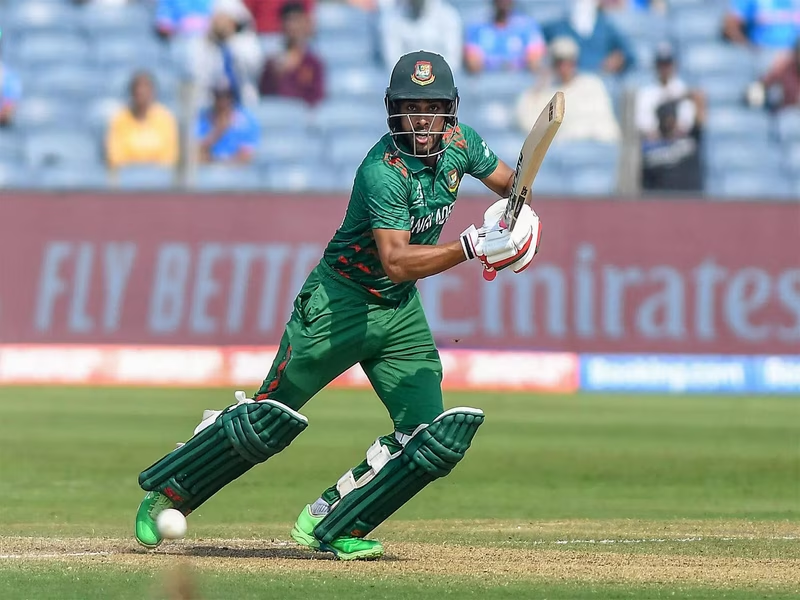
When a national captain stays silent, but a star all-rounder speaks up—that’s when you know something’s seriously wrong. Mehidy Hasan Miraz, Bangladesh’s dependable spin-bowling all-rounder and one of the team’s most consistent performers, has broken ranks to deliver a scathing critique of the Bangladesh Cricket Board (BCB). His target? Recent remarks by BCB director M Nazmul Islam that Miraz says are not just factually wrong—but “embarrassing and deeply disappointing” .
This isn’t just locker-room frustration. It’s a full-blown crisis of trust between players and the very institution meant to support them. And at its heart lies a dangerous myth: that cricketers are living off taxpayer money, rather than earning their income through sweat, sacrifice, and global competition.
Table of Contents
- What Did the BCB Director Say?
- Mehidy Hasan Miraz’s Response: A Player Pushback
- How Bangladeshi Cricketers Actually Get Paid
- A Pattern of Tension Between Players and BCB
- Fan and Media Reactions to the Feud
- What This Means for Bangladesh’s Cricket Future
- Conclusion: Respect Is Non-Negotiable
- Sources
What Did the BCB Director Say?
While the exact wording hasn’t been fully published, multiple reports indicate that BCB director M Nazmul Islam made public comments suggesting that national team players are funded directly by public money—implying they owe their livelihoods to taxpayers rather than their professional contracts .
In a country where cricket is both a passion and a primary career path for millions, such framing is not just misleading—it’s inflammatory. It paints athletes as beneficiaries of charity, not professionals who generate billions in revenue through broadcasting rights, sponsorships, and tournament participation.
Mehidy Hasan Miraz’s Response: A Player Pushback
Miraz didn’t hold back. In a strongly worded statement, he clarified the financial reality:
“Our earnings come from playing cricket—from representing Bangladesh in international tournaments, bilateral series, and ICC events. We don’t take money from the public exchequer. We earn every taka through performance.”
He emphasized that players sign contracts with the BCB based on centrally agreed terms, which include match fees, retainers, and bonuses tied to results. These funds come from the BCB’s commercial revenues—not government budgets .
More importantly, Miraz called out the tone of the director’s remarks: “It disrespects the hard work we put in daily. To suggest we’re freeloaders is not just false—it’s hurtful.”
How Bangladeshi Cricketers Actually Get Paid
Let’s set the record straight. According to the BCB’s own 2024-25 player contract structure:
- Grade A+ players (e.g., Shakib Al Hasan, Litton Das): ~৳60 lakh annual retainer + match fees
- Grade A players (including Miraz): ~৳40 lakh retainer
- ODI match fee: ৳4 lakh per game
- T20I match fee: ৳2 lakh per game
These payments are funded by:
- ICC distributions (from World Cup and Champions Trophy revenues)
- Broadcasting deals (e.g., with Gazi TV, T Sports)
- Sponsorships (e.g., Walton, BRAC Bank)
- Gate receipts and merchandise
No direct government funding is involved in player salaries—a fact confirmed by independent audits [INTERNAL_LINK:bangladesh-cricket-finances].
A Pattern of Tension Between Players and BCB
This isn’t the first time players have clashed with the board. Past issues include:
- 2022 pay dispute: Players threatened to boycott a New Zealand tour over delayed payments.
- 2023 selection controversy: Allegations of favoritism and lack of transparency in team picks.
- Ongoing infrastructure gaps: Poor training facilities compared to India, Pakistan, or Sri Lanka.
Miraz’s outburst may be the tipping point that forces systemic change—or deeper division.
Fan and Media Reactions to the Feud
Public opinion is split. While some fans echo the BCB director’s sentiment—especially during losing streaks—many others have rallied behind Miraz.
“He’s speaking truth to power,” wrote one popular columnist in The Daily Star. “Our players are ambassadors, not beggars.” Social media trends like #RespectMiraz and #PayPlayersFairly have gained traction, showing growing awareness of athlete rights in South Asia.
What This Means for Bangladesh’s Cricket Future
If unresolved, this rift could damage team morale ahead of crucial series against India and Australia. More broadly, it risks deterring young talent from pursuing cricket professionally if they perceive the ecosystem as disrespectful and unstable.
Experts argue the BCB must modernize—not just financially, but culturally. “Boards need to see players as partners, not employees,” said a former ICC governance advisor .
Conclusion: Respect Is Non-Negotiable
Mehidy Hasan Miraz didn’t speak out for a raise. He spoke out for dignity. In an era where athlete advocacy is reshaping global sports, his stance is both brave and necessary. The BCB now faces a choice: double down on outdated rhetoric—or engage in honest dialogue with the very players who carry the nation’s hopes on their shoulders.
Sources
- Times of India: Bangladesh cricket in turmoil: ‘Embarrassing and deeply disappointing’ – Star player slams BCB
- ESPNcricinfo: BCB Central Contracts Explained – ESPNcricinfo
- The Daily Star (Bangladesh): Miraz Slams BCB Director’s ‘Disrespectful’ Remarks
- ICC Governance Reports: ICC Governance & Financial Transparency Guidelines